What is a meme coin and how do you trade it without losing your capital?
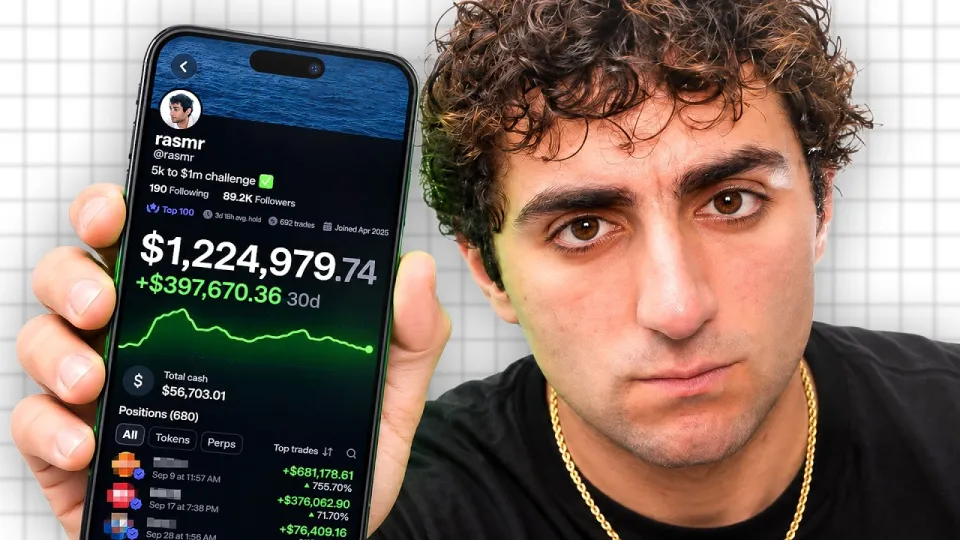
Video: 5 Years of Memecoin Knowledge in 12 Minutes
Need articles like this for your video? They help promote it on YouTube and Google — order them in the Telegram bot @sat_sit_bot. Articles with your video embedded are written and posted by the bot itself — on popular topical sites (no ads). Your first 50 articles are free.
· based on the channel rasmr
A meme coin is a cryptocurrency born from internet culture, humor, or a viral trend, and its value is driven almost entirely by community sentiment and speculation rather than underlying technology or cash flow. Trading meme coins profitably requires strict emotional control, an understanding of market cap dynamics, and the ability to identify narratives early. In the video "5 Years of Memecoin Knowledge in 12 Minutes," the creator rasmr distills hard-earned lessons from years of trading these volatile assets, and you can start applying them by registering on FOMO via this link to get a bonus.
Why meme coins are different from other cryptocurrencies
Meme coins lack traditional fundamentals like revenue, partnerships, or roadmap milestones; their price is a pure reflection of supply and demand fueled by attention. Unlike Bitcoin or Ethereum, which have established use cases and institutional backing, meme coins can explode and collapse within hours. This makes them high-risk, high-reward instruments that require a different mindset. The key is to treat them as speculative trades, not long-term investments, and to size positions accordingly.
The role of emotions in meme coin trading
Emotions are the biggest enemy of meme coin traders; fear and greed lead to buying tops, holding losses, and round-tripping profits. One viewer shared that in their first month they lost money by hoping a losing chart would recover, and they also got greedy when up 50–100%, only to give it all back. The lesson is to set clear rules: define entry and exit points before buying, use stop-losses, and never let a winning trade turn into a loser. Discipline separates profitable traders from the rest.
How to spot a potential rug pull
A rug pull happens when developers abandon a project and drain liquidity, leaving holders with worthless tokens. Warning signs include anonymous teams, locked liquidity that is not actually locked, suspiciously high promises, and a lack of community engagement. Viewers often ask for more details on identifying rugs, and while there is no foolproof method, checking if the contract is renounced, liquidity is burned, and the team is doxxed can reduce risk. Also, be wary of coins that pump vertically with no pullbacks—they are often traps.
Understanding market cap and exit strategies
Market cap levels often dictate when early buyers start taking profits; knowing these levels helps you plan your exit. For example, many meme coins see significant selling pressure when they hit $1 million, $10 million, or $100 million market caps. A viewer noted that they learned at what mcap people usually start to sell and why the token was released (the narrative). By studying historical launches, you can anticipate where the crowd might cash out and set your own targets accordingly. Never round-trip a profit—take some off the table as the price rises.
The influence of the inner circle and narratives
The "inner circle" or cabal—a highly connected group behind many launches—often gets early access to tokens before the public, which is why they profit consistently. However, retail traders can still succeed by identifying strong narratives early and managing risk. Narratives like AI, gaming, or political events can drive massive rallies. The key is to be aware that insiders have an edge, so avoid chasing pumps blindly and focus on coins with organic community growth and clear catalysts.
Common questions from new meme coin traders
New traders often wonder about specific coins, like a hypothetical GTA6 coin, or how to start with small capital. The consensus is to avoid investing in coins solely based on hype without understanding the risks. Start small, treat it as a learning experience, and never invest more than you can afford to lose. Also, don't get attached to a coin—if the narrative dies, exit. As one viewer said, "Don't ever involve emotions in trading." Another asked about selling for a loss on a specific coin; the answer is to stick to your plan, not hope for a bounce.
Useful links
Final takeaways
Meme coin trading is not gambling if you approach it with discipline and a clear strategy. Control your emotions, understand market cap dynamics, spot rugs early, and respect the influence of insiders. The video by rasmr packs five years of experience into 12 minutes, making it a must-watch for anyone serious about this space. Remember to use tools like FOMO to streamline your trading—sign up through this link to get started today.
Key takeaways
- Meme coins are highly volatile tokens driven by community and narratives, not fundamentals.
- Emotional trading is the main reason traders lose money, as seen in the comment about losing money in the first month.
- Market cap levels often signal when early buyers start selling; knowing these levels helps avoid round-tripping profits.
- The 'inner circle' or cabal often gets early access to launches, but retail traders can still profit by following narratives.
- Using a platform like FOMO (https://fomo.family/r/rasmr_eth) can simplify trading and provide bonuses.
Questions & answers
How do I avoid letting emotions ruin my meme coin trades?
Set strict rules before entering a trade: define your profit target and stop-loss, and stick to them. Avoid checking charts constantly, and never add to a losing position out of hope. Practice with small amounts until you can execute your plan without hesitation.
What are the signs that a meme coin might rug pull?
Look for anonymous teams, unlocked liquidity, and unrealistic promises. Check if the contract is renounced and liquidity is burned. Also, be cautious if the coin pumped massively with no community engagement—it could be a setup for a rug.
At what market cap do most meme coins start to dump?
There is no fixed rule, but common psychological levels are $1M, $10M, $100M, and $1B. Early buyers often take profits at these milestones, causing significant sell-offs. Study the specific coin's history and community to gauge potential resistance.
Is it worth investing in meme coins with a small budget?
Yes, but treat it as high-risk speculation. Start with an amount you can afford to lose, and focus on learning the dynamics rather than making quick profits. Use low-cap coins with strong narratives to potentially multiply small capital, but always manage risk.
Source: 5 Years of Memecoin Knowledge in 12 Minutes · Markdown version